Pay Online



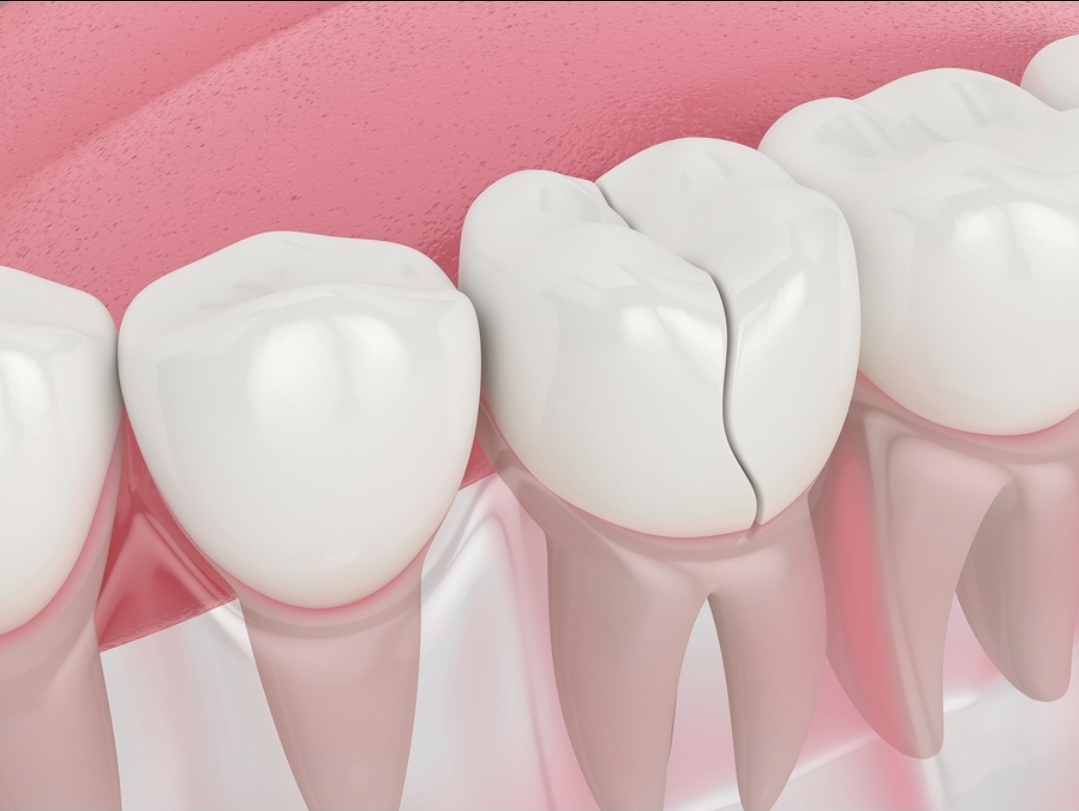
Most cracks in teeth start so small you don’t even know they’re there. No pain. No swelling. No sudden break. Nothing dramatic. Just a quiet, invisible weakness beginning deep within the tooth structure. But here’s the reality most people don’t realize: tooth cracks rarely stay small. They spread. They deepen. They fracture. And by the time symptoms appear, the problem is usually far more serious than it needed to be.
As a dental provider at Warwick Dental, I’ve seen how something that looks insignificant during a routine exam can become one of the biggest threats to a patient’s oral health. That’s because cracks behave very differently from decay or gum disease. They grow from the inside out rather than the outside in. And once a crack reaches a certain depth, no filling can fix it. Sometimes not even a crown can.
This is why understanding tooth fracture symptoms—even the subtle ones—is incredibly important. Most cracked teeth don’t shout… they whisper. And if you wait for the shout, you’re often facing more complex (and more expensive) treatment. My goal in this blog is to help you understand how cracked teeth happen, how to recognize the early signs, and what steps protect you from full-blown emergencies.
Let’s break down everything you need to know.
The Silent Danger of a Cracked Tooth
A cracked tooth is one of the most deceptive dental problems because symptoms rarely appear right away. Instead, the crack slowly expands with pressure from chewing, grinding, or temperature changes. As the crack spreads, bacteria enter, weakening the tooth from the inside.
This process can happen over months—or even years—before you ever feel pain. That’s what makes cracks so dangerous. You could be chewing normally on a tooth that’s structurally compromised without knowing it.
This is why cracked tooth treatment OKC focuses strongly on early detection. Once a crack reaches the root or splits the tooth, saving it becomes extremely difficult.
Why Teeth Crack in the First Place
Teeth are incredibly strong, but they are not unbreakable. Here are the factors that make cracks more likely:
Grinding and Clenching
Clenching your teeth creates extreme pressure—often equal to the force of hundreds of pounds. Even the strongest enamel can only withstand so much.
Large Fillings
Old or oversized fillings make teeth more vulnerable because they remove natural tooth structure. The more structure missing, the weaker the remaining tooth becomes.
Biting Hard Objects
Ice, popcorn kernels, hard candies, and nutshells can cause micro-fractures in an instant.
Normal Aging
Over time, enamel naturally weakens. Older teeth crack more easily, especially if past dental work is present.
Sudden Temperature Changes
Going from hot coffee to ice water rapidly expands and contracts the enamel. Over decades, this takes a toll.
Trauma or Injury
Even small impacts—often forgotten about—can begin a fracture line that spreads later.
Once a crack begins, the tooth becomes significantly more vulnerable. Understanding the causes helps patients make better choices about daily habits and dental care.
How to Recognize Early Tooth Fracture Symptoms
Because cracks are usually silent, identifying symptoms early can be challenging. However, there are subtle signs that indicate something is happening beneath the surface.
Sharp Pain When Biting
If you feel a quick, sharp pain when you bite down—but it immediately disappears—this can signal a crack flexing under pressure.
Sensitivity to Temperature
Sudden sensitivity to hot or cold foods can indicate the crack is reaching deeper into the tooth.
Discomfort When Releasing Bite Pressure
Often overlooked, this is one of the most reliable signs of a cracked tooth.
Sensitivity to Certain Foods
Sticky or sweet foods may cause discomfort when they seep into a crack.
Rough or Sharp Edges
You may not feel pain yet, but your tongue notices everything. A cracked tooth sometimes feels uneven.
These symptoms come and go at first, leading many people to ignore them. But intermittent symptoms are exactly how cracks behave early on. If you wait for the discomfort to become constant, the damage is usually much more severe.
Why Small Cracks Become Big Problems
Unlike cavities, which grow in predictable patterns, cracks spread unpredictably. They can travel:
-
vertically
-
horizontally
-
beneath fillings
-
below the gumline
-
into the root
As cracks deepen, they weaken the entire structure of the tooth. Once bacteria reach the inner layers, infection begins. That’s when pain becomes unavoidable. And at that point, treatment becomes more complex.
This is why timing is so important. Early intervention often means a much simpler solution. Delaying treatment can lead to long-term complications that require more extensive restorative care.
When a Filling Is NOT Enough
Many patients assume cracks can be treated like cavities—with a simple filling. But fillings do not stop cracks from spreading. They only patch the surface. Cracks continue expanding beneath the filling until the tooth breaks or becomes infected.
This is why dental crown solutions OKC are often recommended for cracked teeth. A crown fully covers the tooth, strengthening it and preventing the crack from deepening.
A filling is like taping a cracked window.
A crown is like replacing the entire pane.
One hides the problem; the other protects the structure.
When a Crown IS Enough—and When It Isn’t
Crowns are the most effective treatment for many cracked teeth. They:
-
reinforce weakened structure
-
prevent further spreading
-
restore function
-
protect from bite force
-
reduce sensitivity
However, crowns cannot fix every crack. If a crack reaches the root or splits the tooth, a crown cannot save it. That’s why early diagnosis is critical.
If caught early, a tooth can often be preserved for decades. If caught too late, extraction may be the only option. This highlights the importance of regular dental visits and ongoing monitoring.
How We Diagnose Cracked Teeth at Warwick Dental
Diagnosing cracks requires a combination of tools and experience. At Warwick Dental, we use:
High-Magnification Imaging
This helps us identify fracture lines invisible to the naked eye.
Precision Bite Testing
We test your bite from different angles to determine where pressure causes discomfort.
Advanced X-Ray and Digital Imaging
While standard X-rays don’t always show cracks, digital scans reveal subtle structural changes.
Visual and Tactile Examination
An experienced clinical eye remains one of the most reliable diagnostic methods.
Early detection allows us to provide treatment before symptoms worsen or the crack spreads beyond repair.
What Happens If You Ignore a Small Crack
Ignoring a cracked tooth can lead to:
-
severe pain
-
infection
-
abscess
-
root canal needs
-
complete tooth fracture
-
extraction
-
implant or bridge replacement
The progression is usually slow at first, but once the crack reaches a tipping point, failure can happen suddenly.
A tooth can go from “slightly sensitive” to “broken in half” overnight.
This is why early evaluation is essential, even if symptoms seem mild.
Preventing Tooth Cracks in the First Place
While not all cracks can be prevented, many are avoidable with proper habits. Key prevention steps include:
-
wearing a nightguard if you grind
-
avoiding chewing ice or hard objects
-
staying up-to-date with exams and cleanings
-
addressing bite problems early
-
protecting your teeth during sports
Prevention is always easier than repairing damage later.
When to Seek Professional Treatment Immediately
You should seek cracked tooth treatment OKC right away if you experience:
-
sharp pain while chewing
-
sudden sensitivity
-
swelling in the gums
-
discomfort that worsens when you release your bite
-
visible cracks or chips
-
persistent irritation in a specific tooth
Prompt care dramatically increases the chance of saving the tooth.
Your Options for Treating Cracked Teeth
At Warwick Dental, treatment depends on the location, depth, and severity of the crack. Options may include:
Dental Crown
Most common and effective early solution.
Bonding
Useful for minor, surface-level cracks.
Root Canal
Needed when the crack reaches the nerve and causes infection.
Extraction
Used only when cracks extend below the gumline or split the tooth.
Each treatment plan is customized based on your specific needs and long-term oral health.
Don’t Wait Until It Hurts
Pain is not an early warning sign—it’s a late one.
A cracked tooth should never be ignored, even when the symptoms seem small.
If you suspect something is wrong, getting ahead of the problem is the smartest move you can make. Early diagnosis means easier treatment, less expense, and a much better outcome.
At Warwick Dental, we focus on catching cracks early, restoring strength, and protecting your smile from further damage. If you are experiencing tooth fracture symptoms or simply want peace of mind, you should get evaluated as soon as possible.
To schedule your professional evaluation, click here to set up a consultation.
Your teeth deserve immediate attention at the first sign of trouble—and we’re here to protect your smile before small damage becomes a big problem.