

Frequently Asked Questions
Who needs full dental implants?
Individuals who have lost multiple teeth or have significant dental issues may need full dental implants. This solution is ideal for those seeking a permanent, natural-looking replacement that restores function and aesthetics to their smile.
How long do implants last?
Dental implants can last a lifetime with proper care and maintenance. Factors such as oral hygiene, regular dental visits, and lifestyle choices play a crucial role in their longevity.
Are implants painful?
The pain associated with dental implants is generally minimal. Most patients experience only mild discomfort during the procedure, which can be effectively managed with anesthesia and post-operative care.
What is full dental implant process?
The full dental implant process involves several steps: initial consultation, imaging and treatment planning, implant placement, healing period, and finally, attaching the custom-made crowns. This comprehensive approach ensures a natural-looking and functional result for patients.
How long full dental implants last?
Full dental implants can last a lifetime with proper care and maintenance. Typically, the implants themselves have a success rate of over 95% and can remain functional for many years, making them a durable solution for missing teeth.
Can anyone get full dental implants?
Not everyone is a candidate for full dental implants; however, many individuals can benefit from them. A thorough evaluation by our dental professionals at Warwick Dental will determine your suitability based on oral health and bone density.
What is implant procedure?
The implant procedure involves surgically placing a titanium post into the jawbone to serve as a stable foundation for replacement teeth. This process typically includes several steps, ensuring a secure and natural-looking result for patients with missing teeth.
Are full dental implants expensive?
The cost of full dental implants can be significant, but they offer long-term benefits and durability that make them a worthwhile investment in your oral health. At Warwick Dental, we provide personalized care to help manage costs effectively.
What is implant failure?
Implant failure refers to the inability of a dental implant to properly integrate with the jawbone, which can result in the implant becoming loose or lost. This can occur due to various factors, including infection, insufficient bone density, or improper placement.
What is implant cost?
The cost of dental implants varies based on factors such as the number of implants needed, the complexity of the procedure, and any additional treatments required. At Warwick Dental, we provide personalized estimates during consultations to ensure transparency and affordability.
How full dental implants work?
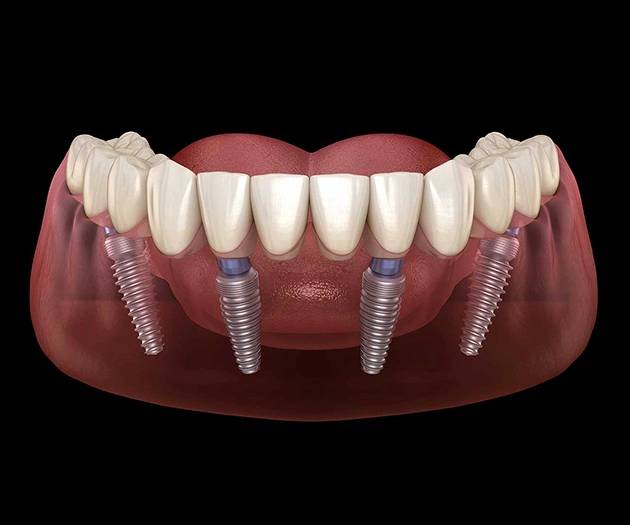
Full dental implants work by surgically placing titanium posts into the jawbone, which serve as artificial roots. Once healed, custom-made crowns are attached, providing a natural-looking and functional solution for missing teeth.
Can full dental implants fail?
Full dental implants can fail, although this is relatively rare. Factors such as infection, insufficient bone density, or improper placement can contribute to implant failure. Regular follow-ups and proper care significantly enhance their success rate.
What is full dental implant surgery?
Full dental implant surgery involves the placement of artificial tooth roots into the jawbone to support replacement teeth, providing a stable and natural-looking solution for individuals with missing teeth.
What are the benefits of full dental implants?
The benefits of full dental implants include a natural appearance, improved functionality for eating and speaking, enhanced oral health, and increased comfort. They also offer a long-lasting solution, allowing patients to regain confidence in their smiles.
How do I prepare for implant surgery?
Preparing for implant surgery involves following specific guidelines. Ensure you have a consultation with your dentist, discuss your medical history, follow any pre-operative instructions, and arrange for someone to drive you home post-surgery.
What is the recovery time for implants?
The recovery time for implants typically ranges from a few days to a couple of weeks, depending on individual healing and the complexity of the procedure. Most patients can return to normal activities relatively quickly.
Can full dental implants improve my smile?
Full dental implants can significantly enhance your smile by providing a natural-looking and functional solution for missing teeth. They restore your confidence and improve your overall appearance, making them an excellent choice for smile enhancement.
What are the risks of dental implants?
The risks of dental implants include infection, nerve damage, sinus issues, and implant failure. While complications are rare, it’s essential to discuss potential risks with your dentist to ensure a safe and successful procedure.
How do I maintain my dental implants?
Maintaining your dental implants involves regular oral hygiene practices such as brushing and flossing, along with routine dental check-ups. Additionally, avoid hard foods and habits like grinding your teeth to ensure their longevity.
What types of implants are available?
The types of dental implants available include traditional endosteal implants, which are placed in the jawbone, and subperiosteal implants, which are positioned under the gum but above the jawbone. Warwick Dental specializes in both for full mouth restorations.
Are there age restrictions for implants?
Age restrictions for dental implants are generally minimal; however, it's important for patients to have fully developed jawbones, typically around age 18. Individual health factors may also influence eligibility.
How do implants compare to dentures?
Dental implants offer a more stable and permanent solution compared to dentures, which can be removable and less secure. Implants look and function like natural teeth, providing improved comfort and confidence for patients.
What is the success rate of implants?
The success rate of dental implants is typically around 95%, making them a highly reliable option for restoring missing teeth. Factors such as proper oral hygiene and regular dental check-ups can further enhance their longevity and effectiveness.
Can I eat normally with implants?
Eating normally with implants is definitely possible. Once fully healed, dental implants function like natural teeth, allowing you to enjoy a wide variety of foods without discomfort.
What should I expect during the procedure?
During the procedure, you can expect a comfortable experience as our skilled team uses advanced techniques to place your full mouth dental implants. We prioritize your comfort and ensure a smooth process with minimal discomfort and quick recovery.
How do I choose the right implant type?
Choosing the right implant type depends on your specific dental needs, budget, and overall oral health. Consulting with a dental professional at Warwick Dental can help you determine the best option tailored to your situation.
What is the follow-up care for implants?
The follow-up care for implants involves regular dental check-ups, maintaining good oral hygiene, and monitoring for any signs of infection or discomfort. Adhering to your dentist's post-operative instructions is crucial for successful healing and long-term implant success.
Are there financing options for dental implants?
Financing options for dental implants are available at Warwick Dental. We offer flexible payment plans to help make your treatment more affordable, ensuring you can achieve a healthy smile without financial stress.
How do implants affect oral health?
Dental implants positively impact oral health by restoring function and aesthetics, preventing bone loss, and maintaining the alignment of surrounding teeth. They provide a stable foundation for replacement teeth, enhancing overall oral hygiene and health.
What materials are used for dental implants?
The materials used for dental implants primarily include titanium and zirconia. Titanium is favored for its strength and biocompatibility, while zirconia offers a tooth-colored option that is aesthetically pleasing.