
Pay Online


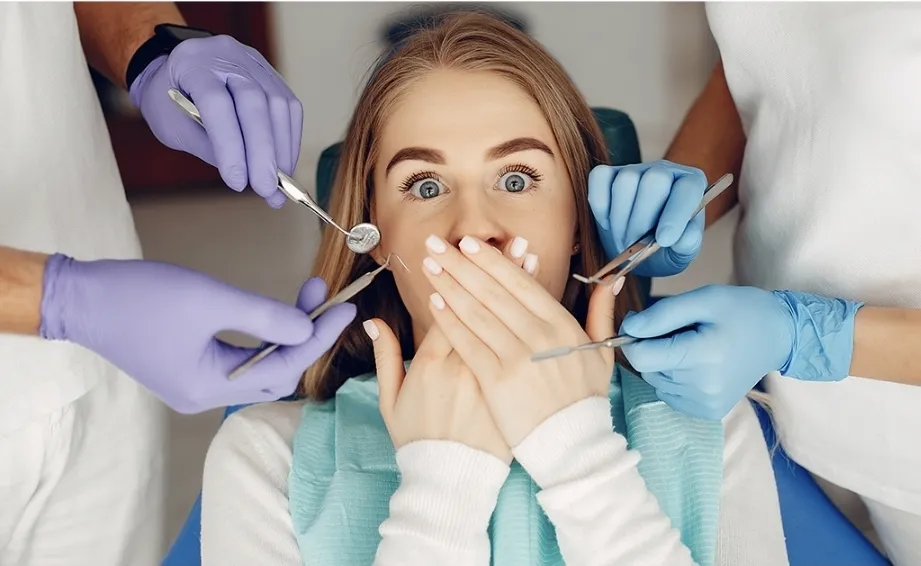
If getting your teenager to the dentist feels like an uphill battle, you’re not alone. Adolescence is a time when anxiety, heightened sensitivity, and emotional stress often peak—and dental visits can become a major trigger. At Warwick Dental, we work with many families who feel stuck between knowing their teen needs care and watching fear or resistance stand in the way. This is where IV sedation for dental anxiety can make a meaningful difference.
For teens who struggle with dental fear, sensory overload, or difficulty sitting through procedures, IV sedation offers a safe, controlled, and compassionate solution. It allows necessary dental care to happen without emotional distress, panic, or avoidance. And just as importantly, it helps teens develop a healthier long-term relationship with dental care.
This blog is designed to help parents understand when IV sedation makes sense, how it works, and why it can be one of the most supportive options for anxious teens.
Why Dental Anxiety Hits Teens Differently
Teenagers experience stress differently than younger children or adults. Their nervous systems are still developing, emotions are more intense, and their tolerance for discomfort or perceived loss of control is often lower. Add in academic pressure, social stress, and changing routines, and dental visits can feel overwhelming.
Dental anxiety in teens often shows up as avoidance, irritability, refusal to attend appointments, or extreme distress during care. For some teens, anxiety is not tied to pain at all but to sensory input like sounds, smells, or physical closeness. For others, it’s rooted in fear of embarrassment or feeling judged.
This is why sedation dentistry for teens must be approached thoughtfully, with respect for emotional well-being as much as physical comfort.
The Cost of Avoiding Dental Care During the Teen Years
The teenage years are critical for oral health. Permanent teeth are still developing, bite patterns are stabilizing, and habits formed during this time often last into adulthood. When anxiety prevents routine care, small issues can quickly escalate.
Skipping dental visits can lead to untreated decay, gum inflammation, enamel wear, and bite problems. These issues don’t disappear on their own—they grow. By the time pain or visible damage appears, treatment is often more involved.
IV sedation can interrupt this pattern by making dental visits manageable again, allowing teens to receive care before problems become severe.
What IV Sedation Is and Why It Works for Teens
IV sedation involves administering medication through an intravenous line to create a deep state of relaxation. Unlike oral sedation, IV sedation works quickly and can be adjusted throughout the appointment to maintain consistent comfort.
Most teens remain conscious but deeply relaxed, with reduced awareness of the procedure. Anxiety, fear, and muscle tension are significantly diminished. Many patients have little to no memory of the appointment afterward, which is a major benefit for those with dental anxiety.
For families seeking an IV sedation dentist OKC, this approach offers reliability, control, and predictability—key factors when caring for anxious teens.
Signs Your Teen May Benefit From IV Sedation
While every teen is different, IV sedation may be appropriate if you notice certain patterns.
Severe Anxiety Before Appointments
If stress begins days or weeks before a dental visit and interferes with daily life, sedation may help ease that anticipatory anxiety.
Inability to Sit Through Treatment
Teens who struggle to remain still, tense their jaw, or become overwhelmed during procedures often benefit from deeper relaxation.
Avoidance or Refusal of Dental Care
When fear consistently prevents appointments from happening, IV sedation can help re-establish access to care.
Sensory Sensitivities
Teens who are sensitive to sounds, textures, or physical sensations may find IV sedation dramatically improves comfort.
Recognizing these signs early allows parents to choose supportive solutions rather than waiting until dental problems become urgent.
Emotional Safety Matters as Much as Physical Comfort
One of the most important benefits of IV sedation is emotional protection. Forcing an anxious teen through dental treatment can reinforce fear and create long-lasting negative associations. IV sedation helps prevent this by removing distress from the experience.
When dental visits are calm and manageable, teens are more likely to feel confident returning in the future. This emotional safety supports healthier habits and reduces the likelihood of avoidance in adulthood.
In this way, IV sedation for dental anxiety isn’t just about the present appointment—it’s an investment in lifelong oral health.
Safety Protocols and Parental Reassurance
Safety is understandably a top concern for parents. Before recommending IV sedation, we conduct a thorough review of your teen’s medical history, medications, and overall health. This ensures sedation is appropriate and safe.
During the appointment, vital signs are continuously monitored, including heart rate, blood pressure, and oxygen levels. The sedation level is carefully controlled and adjusted as needed throughout treatment.
IV sedation has a strong safety record when administered by trained professionals, and our team follows strict protocols to ensure your teen’s well-being at all times.
What Parents Can Expect on the Day of the Appointment
Preparation is key to a smooth experience. Parents will receive detailed instructions before the visit, which may include fasting guidelines and transportation arrangements.
On the day of treatment, your teen will be closely monitored from start to finish. After the procedure, they may feel drowsy for a few hours, which is normal. Most teens recover fully by the next day.
Clear communication and preparation help parents feel confident and informed throughout the process.
How IV Sedation Supports Efficient Treatment
For teens who require multiple treatments, IV sedation can allow more work to be completed in fewer visits. This efficiency reduces repeated exposure to anxiety and minimizes disruption to school and extracurricular schedules.
From a clinical standpoint, a relaxed patient allows for more precise, thorough care. This leads to better outcomes and a smoother overall experience for both teen and parent.
IV Sedation Compared to Other Sedation Options
While nitrous oxide or oral sedation may help mild anxiety, they are not always sufficient for teens with moderate to severe fear. IV sedation provides a deeper, more consistent level of relaxation.
It works faster, is adjustable in real time, and is more predictable in its effects. For many families, this reliability makes IV sedation the most effective option.
Understanding the differences between sedation methods helps parents make informed decisions that prioritize comfort and safety.
Addressing Common Parental Concerns
Parents often worry about control, recovery time, or potential side effects. IV sedation is designed to maintain safety while providing comfort. Teens remain responsive when needed, and recovery is typically straightforward.
Another concern is whether sedation masks problems rather than addressing anxiety. In reality, IV sedation allows care to happen without reinforcing fear, creating space for confidence to develop over time.
The Importance of Choosing the Right Dental Team
Not all dental offices offer IV sedation, and experience matters. Providing sedation dentistry requires training, monitoring, and a patient-centered approach—especially when caring for teens.
At Warwick Dental, we focus on communication, preparation, and trust. We work closely with parents to ensure questions are answered and expectations are clear.
Choosing an experienced IV sedation dentist OKC ensures your teen receives care in a supportive, professional environment.
Supporting Your Teen Beyond the Appointment
IV sedation can be a turning point, but ongoing support matters too. Encouraging regular visits, maintaining open conversations about comfort, and reinforcing positive experiences help build long-term confidence.
When dental care becomes manageable instead of traumatic, teens are more likely to stay consistent and proactive about their oral health.
Making the Best Decision for Your Family
Choosing IV sedation for your teen is not about taking the “easy way out.” It’s about choosing a compassionate solution that prioritizes emotional health, safety, and access to care.
If dental anxiety is preventing your teen from receiving the treatment they need, IV sedation may be the key to moving forward with confidence.
Take the Next Step Toward Calm, Comfortable Care
If you’re a parent navigating dental anxiety with your teen, you don’t have to do it alone. At Warwick Dental, we’re committed to providing supportive, safe, and effective solutions that respect both physical and emotional needs.
To learn whether sedation dentistry for teens is right for your family, click here to set up a consultation.
We’re here to help your teen receive the care they need—comfortably, confidently, and without fear.