Pay Online




A cracked tooth at 2 AM is one of the most alarming things you can experience. You are in pain, it is the middle of the night, and you are not sure what to do. If you are in Bethany, OK, this guide is for you. Knowing what to do before your emergency appointment can protect your tooth and ease your discomfort.
Dr. David Lawrence and the team at Warwick Dental are experienced in handling dental emergencies. Whether your tooth cracked on a piece of hard candy or from an unexpected fall, fast action matters. This guide walks you through everything step by step.
Why a Cracked Tooth Is a Dental Emergency in Bethany
Not every crack looks dramatic, but even a hairline fracture can cause serious damage. A cracked tooth exposes the inner layers of your tooth to bacteria. That can lead to infection, nerve damage, or even tooth loss if left untreated.
Pain may come and go, or it might be sharp and constant. Either way, do not wait it out hoping it will improve on its own. Dental emergencies rarely resolve without professional care.
Bethany residents who experience sudden tooth pain, sensitivity, or visible damage should act quickly. Getting to an emergency dentist as soon as possible is the best way to save the tooth. Restorative Dentistry options are available to repair cracked teeth effectively when treated early.
Immediate Steps to Take at 2 AM Before Your Appointment
The hours between a crack and your emergency appointment are critical. Here is what you should do right away to manage the situation safely.
- Rinse gently with warm salt water — This helps clean the area and reduces bacteria around the crack.
- Apply a cold compress — Hold it against your cheek in 20-minute intervals to reduce swelling.
- Take over-the-counter pain relief — Ibuprofen or acetaminophen can help manage pain. Follow dosage instructions carefully.
- Cover sharp edges carefully — Dental wax or sugar-free gum can temporarily protect your tongue and cheek from jagged edges.
- Keep your head elevated — This reduces blood pressure to the area and can lessen throbbing pain while you rest.
- Avoid chewing on that side — Do not put any pressure on the cracked tooth until you see your dentist.
These steps will not fix the crack, but they will protect you until morning. Document the time the pain started and any symptoms you notice. That information helps Dr. Lawrence assess the situation quickly when you arrive.
What to Avoid After Cracking a Tooth
Knowing what not to do is just as important as knowing what to do. Some common instincts can actually make things worse. Avoid these mistakes in the hours before your appointment.
- Do not apply aspirin directly to the gum — This can burn soft tissue and cause additional irritation.
- Avoid very hot or cold foods and drinks — Temperature extremes can trigger sharp nerve pain in a cracked tooth.
- Do not ignore bleeding — If the gum around the crack is bleeding, apply gentle pressure with a clean gauze pad.
- Skip hard, crunchy, or sticky foods entirely — These can cause the crack to worsen or spread.
- Do not try to glue the tooth yourself — Over-the-counter adhesives are not designed for teeth and can complicate treatment.
Being cautious overnight gives your dentist the best chance of saving your tooth. Simple choices in those hours can have a big impact on your outcome.
What to Expect at Your Emergency Dental Appointment
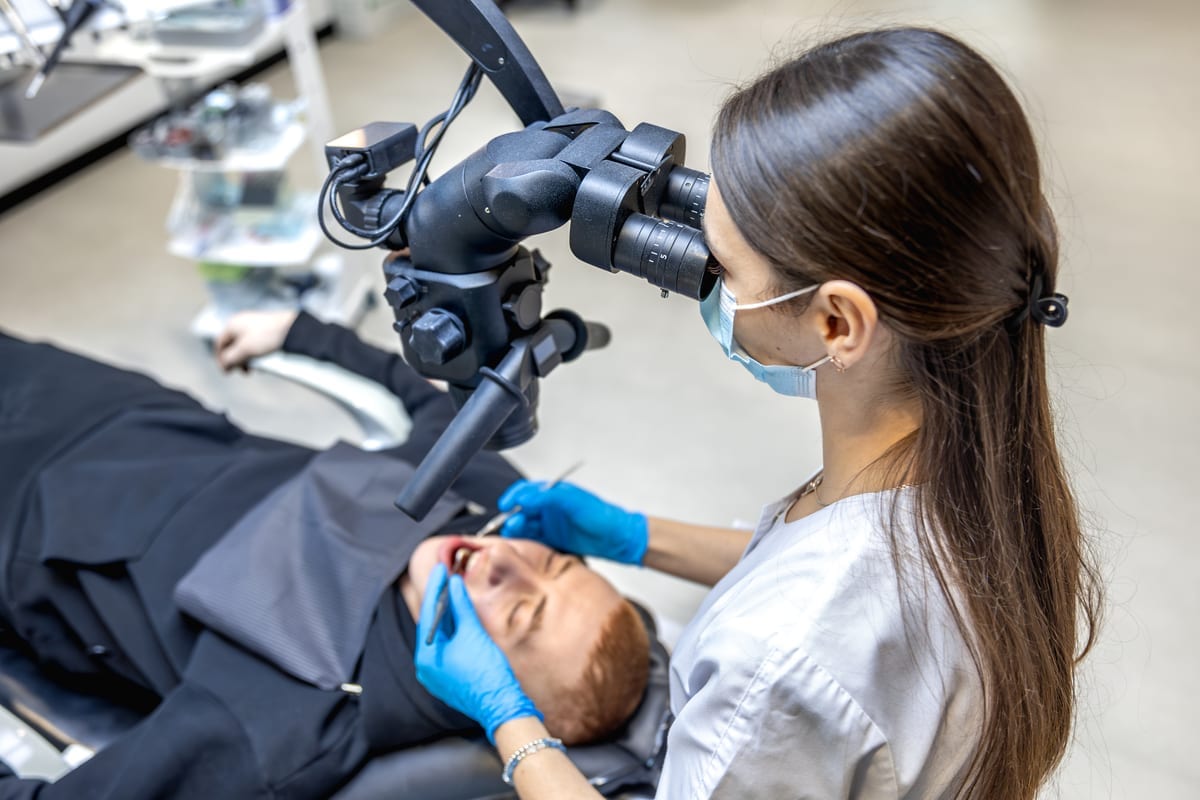
When you arrive at Warwick Dental, Dr. Lawrence will begin by evaluating the extent of the crack. He may use X-rays or other diagnostic tools to see how deep the damage goes. The type of treatment depends on the crack’s location and severity.
Here is a general overview of what emergency dental care for a cracked tooth may involve:
- Examination and X-rays — Your dentist will assess the full extent of the damage.
- Pain management — Local anesthesia is typically used to keep you comfortable during treatment.
- Repair or stabilization — Options may include dental bonding, a dental crown, or root canal treatment if the nerve is affected.
- Follow-up planning — You may need a second appointment to complete full restoration.
If the crack has reached the root or surrounding gum tissue, Dr. Lawrence may also evaluate for signs of gum-related complications. In some cases, untreated cracks can contribute to gum disease. Periodontal Disease Treatment Gum Disease services are available at Warwick Dental to address any related concerns.
How to Prevent Future Dental Emergencies
Once your cracked tooth is treated, you can take steps to prevent a repeat emergency. Many cracks happen for predictable reasons. Understanding those reasons gives you real control over your dental health.
Common causes of cracked teeth include chewing on ice, biting hard objects, and untreated teeth grinding. Wearing a custom night guard can protect your teeth if you grind while you sleep. Dr. Lawrence can fit you for one at a routine visit.
Regular dental checkups also help catch small cracks before they become emergencies. Your dentist can spot early signs of stress fractures during a routine exam. Staying consistent with your appointments is one of the best things you can do for your smile.
Frequently Asked Questions
Can a cracked tooth heal on its own?
No, a cracked tooth cannot heal itself. Unlike bones, teeth do not have the ability to regenerate. Without treatment, the crack can deepen, lead to infection, or cause the tooth to break further. You should see a dentist as soon as possible.
How do I know if my cracked tooth needs a root canal?
If the crack has reached the inner pulp of the tooth where the nerve lives, a root canal may be necessary. Signs include severe pain when biting, lingering sensitivity to temperature, or swelling near the tooth. Dr. Lawrence will assess this during your emergency exam.
Is a cracked tooth considered a dental emergency?
Yes, a cracked tooth is a dental emergency, especially if it is accompanied by pain, swelling, or visible damage. Even a crack with no immediate pain can worsen quickly without care. Contact Warwick Dental right away if you suspect a crack.
What if only a small piece of tooth broke off?
Even a small chip or fracture should be evaluated by a dentist. A broken piece can leave a sharp edge that irritates your cheek or tongue. More importantly, the remaining tooth structure may be weakened and vulnerable to further damage.
How soon should I see a dentist after cracking a tooth?
You should seek care as soon as possible — ideally within 24 hours. The sooner Dr. Lawrence can evaluate the tooth, the more treatment options are available. Delaying care increases the risk of infection, nerve damage, and tooth loss.
At Warwick Dental in Oklahoma City, we understand that dental emergencies do not wait for business hours. Dr. David Lawrence and our compassionate team are here to help Bethany patients get through these stressful moments with confidence. Book Now to schedule your appointment with our team.