

Frequently Asked Questions
What are the benefits of full-mouth dental implants?
The benefits of full-mouth dental implants include improved oral function, enhanced aesthetics, and increased comfort. They provide a durable, natural-looking solution for missing teeth, allowing for quick recovery and a personalized treatment experience at Warwick Dental.
How can I book an appointment at Warwick Dental?
Booking an appointment at Warwick Dental is easy. You can schedule your visit by calling our office directly or by using the online booking feature on our website.
What is the recovery time for full-mouth dental implants?
The recovery time for full-mouth dental implants typically ranges from a few days to several weeks, depending on individual healing factors and the complexity of the procedure. Most patients can resume normal activities within a week.
What costs are associated with full-mouth implants?
The costs associated with full-mouth implants typically include the surgical procedure, materials for the implants, anesthesia, and any necessary follow-up care. Pricing can vary based on individual needs and the complexity of the case.
How long do full-mouth dental implants last?
Full-mouth dental implants can last 10 to 15 years or even longer with proper care and maintenance, including regular dental check-ups and good oral hygiene practices.
What is the procedure for full-mouth implants?
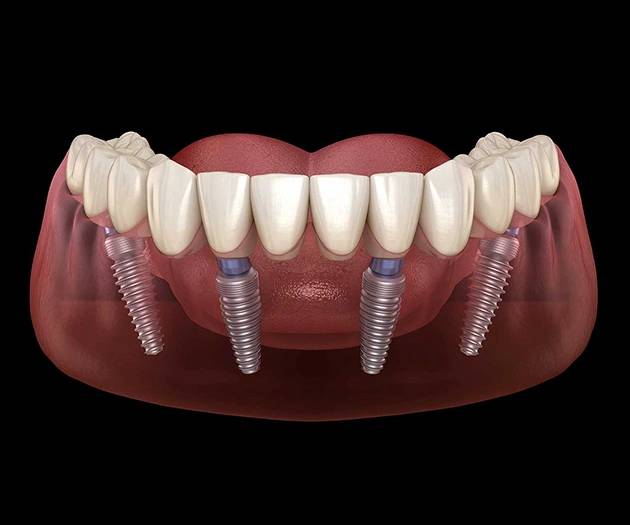
The procedure for full-mouth implants involves a comprehensive evaluation, followed by the placement of dental implants into the jawbone, and then attaching custom-made prosthetics. This process typically includes several appointments to ensure optimal results and patient comfort.
Are full-mouth implants suitable for everyone?
Full-mouth implants are not suitable for everyone. Candidates typically need to have sufficient jawbone density and overall oral health; however, a consultation with our dental team at Warwick Dental can determine individual eligibility and tailor solutions accordingly.
What materials are used for dental implants?
The materials used for dental implants primarily include titanium and zirconia. Titanium is favored for its biocompatibility and strength, while zirconia offers a tooth-colored option that is aesthetically pleasing for patients seeking a natural look.
How do I prepare for my appointment?
Preparing for your appointment involves confirming your appointment time, bringing any necessary medical records, and listing any medications you are currently taking. Additionally, avoid eating or drinking for a few hours before your visit if advised.
What aftercare is needed for dental implants?
Aftercare for dental implants includes maintaining good oral hygiene, avoiding hard foods, and attending follow-up appointments. Additionally, it's essential to manage any discomfort with prescribed medications and to refrain from smoking to ensure proper healing.
Can I eat normally after full-mouth implants?
After receiving full-mouth implants, you can gradually return to a normal diet. Initially, soft foods are recommended, but most patients can enjoy a regular diet within a few weeks as healing progresses.
What are the risks of dental implant surgery?
The risks of dental implant surgery include infection, nerve damage, sinus issues, and implant failure. However, these risks can be minimized with proper planning and care from experienced professionals like those at Warwick Dental.
How do full-mouth implants improve oral health?
Full-mouth implants improve oral health by restoring proper function and alignment, preventing bone loss, and enhancing overall oral hygiene. They provide a stable foundation for dental prosthetics, making it easier to maintain a clean and healthy mouth.
What technology does Warwick Dental use?
Warwick Dental utilizes advanced technology, including digital imaging and 3D printing, to enhance precision in full-mouth dental implant procedures, ensuring safe surgeries and optimal outcomes for our patients.
How can I find patient reviews for Warwick Dental?
You can find patient reviews for Warwick Dental by visiting our website, where testimonials are featured, or by checking popular review platforms like Google and Yelp for feedback from our patients.
What financing options are available for implants?
Financing options for implants include flexible payment plans, third-party financing, and dental insurance coverage. At Warwick Dental, we work with patients to find the best solution that fits their budget and needs.
How does Warwick Dental ensure patient comfort?
Warwick Dental ensures patient comfort through personalized care, modern technology, and a calming environment. Our team prioritizes your needs, providing sedation options and attentive support during procedures to create a stress-free experience.
What is the first step in getting implants?
The first step in getting dental implants is to schedule a consultation with a qualified dentist. During this appointment, your dental health will be assessed, and a personalized treatment plan will be developed based on your needs.
Are there alternatives to full-mouth dental implants?
Alternatives to full-mouth dental implants include dentures, partial dentures, and dental bridges. Each option offers varying levels of stability and aesthetics, but may not provide the same durability or natural feel as implants.
How does the consultation process work?
The consultation process at Warwick Dental involves an initial appointment where our team evaluates your dental needs, discusses your goals, and outlines the full-mouth dental implant procedure tailored specifically for you.
What follow-up care is required after surgery?
Follow-up care after surgery includes attending scheduled check-ups, managing pain with prescribed medications, maintaining oral hygiene, and adhering to dietary restrictions to ensure proper healing and the best results from your full-mouth dental implants.
How do I know if I need implants?
Determining if you need implants involves assessing your oral health and the condition of your teeth. If you're missing one or more teeth, experiencing discomfort, or have difficulty chewing, consulting with a dental professional can help you evaluate if full-mouth dental implants are the right solution for you.
What should I expect during the recovery period?
During the recovery period, you can expect some swelling, discomfort, and minor bleeding, which are normal. Most patients experience a quick recovery, with full healing typically occurring within a few months, allowing you to enjoy your new smile.
How can I maintain my dental implants?
Maintaining your dental implants involves regular brushing and flossing, routine dental check-ups, and avoiding hard foods. Good oral hygiene practices will ensure the longevity and health of your implants.
What are the signs of implant failure?
The signs of implant failure include persistent pain, swelling around the implant site, looseness of the implant, and signs of infection such as pus or fever. If you experience any of these symptoms, consult your dentist promptly.
How does Warwick Dental personalize treatment plans?
Warwick Dental personalizes treatment plans by conducting thorough assessments of each patient's dental health, preferences, and lifestyle. This tailored approach ensures that every patient receives a customized plan that addresses their unique needs and goals for optimal results.
What is the success rate of dental implants?
The success rate of dental implants is typically around 95%, depending on factors such as the patient's health, oral hygiene, and the location of the implant. This high success rate makes them a reliable option for restoring missing teeth.
Can I get implants if I have gum disease?
Having gum disease may affect your eligibility for dental implants. It's crucial to treat the gum disease first to ensure a healthy foundation for the implants. Consult with our team at Warwick Dental for a personalized evaluation and treatment plan.
How do full-mouth implants affect speech?
Full-mouth implants can significantly improve speech by providing a stable foundation for artificial teeth, allowing for clearer articulation and reducing slippage that may occur with dentures. Most patients experience enhanced communication abilities after the procedure.
What should I bring to my appointment?
To your appointment, you should bring a valid ID, your insurance information, and any medical records relevant to your dental history. Additionally, consider bringing a list of medications you are currently taking.