Pay Online



You’ve tried whitening strips, toothpaste, and maybe even a professional treatment. Yet your smile still looks dull or discolored. If you’re searching for answers about why your teeth won’t whiten and what actually works in Oklahoma City, you’re not alone. The truth is, not all stains respond the same way. Understanding the type of stain you have is the first step toward a brighter, healthier smile.
The Two Types of Tooth Stains Explained
Tooth discoloration falls into two main categories: extrinsic and intrinsic stains. Each type behaves differently and requires a different approach. Knowing which type you’re dealing with changes everything about your treatment options.
Extrinsic stains sit on the outer surface of your enamel. They are caused by food, beverages, and lifestyle habits. Coffee, tea, red wine, and tobacco are the most common culprits here in Oklahoma City.
Intrinsic stains develop inside the tooth structure itself. These stains form within the dentin layer, which lies beneath the enamel. They cannot be removed by surface-level whitening products, no matter how strong.
Why Standard Whitening Products Fail on Certain Stains
Most over-the-counter whitening products use peroxide-based agents. These agents work by penetrating the enamel and breaking apart surface pigment molecules. They are effective for mild to moderate extrinsic staining.
However, intrinsic stains lie too deep for these agents to reach. Even professional-grade bleaching treatments may not fully correct them. This is one of the most common reasons patients in Oklahoma City feel frustrated with their whitening results.
Several factors can cause intrinsic staining:
- Tetracycline antibiotic use during childhood tooth development
- Excessive fluoride exposure during early childhood (dental fluorosis)
- Tooth trauma that causes internal bleeding or nerve damage
- Natural aging, which thins enamel and darkens the dentin beneath
- Genetic factors that affect tooth color from birth
If any of these apply to you, whitening products alone will not give you the results you want. You need a solution that addresses the tooth from the outside in — or works independently of bleaching altogether.
What Actually Works for Intrinsic Stains in Oklahoma City
When whitening fails, cosmetic and restorative dental solutions step in. These approaches mask or replace the discolored tooth surface entirely. They deliver reliable, long-lasting results that bleaching simply cannot match.
At Warwick Dental, Dr. David Lawrence helps Oklahoma City patients explore the right option for their specific situation. Cosmetic Dentistry Oklahoma City treatments like dental veneers and dental bonding are among the most effective choices for intrinsic staining. These options cover discoloration completely, without relying on bleach.
Here is how each option compares:
- Porcelain veneers: Thin shells bonded to the front of teeth — ideal for deep or widespread discoloration
- Composite bonding: Tooth-colored resin applied directly to the surface — a faster, more affordable option for single teeth
- Dental crowns: Full coverage for severely stained or damaged teeth — both cosmetic and protective
- Teeth whitening (in-office): Best for surface stains only — produces dramatic results when the stain type is appropriate
For patients with more complex needs — such as discoloration combined with structural damage — Restorative Dentistry Oklahoma City solutions like crowns or full-mouth restoration may be the most appropriate path forward.
What to Expect at a Stain Assessment Appointment
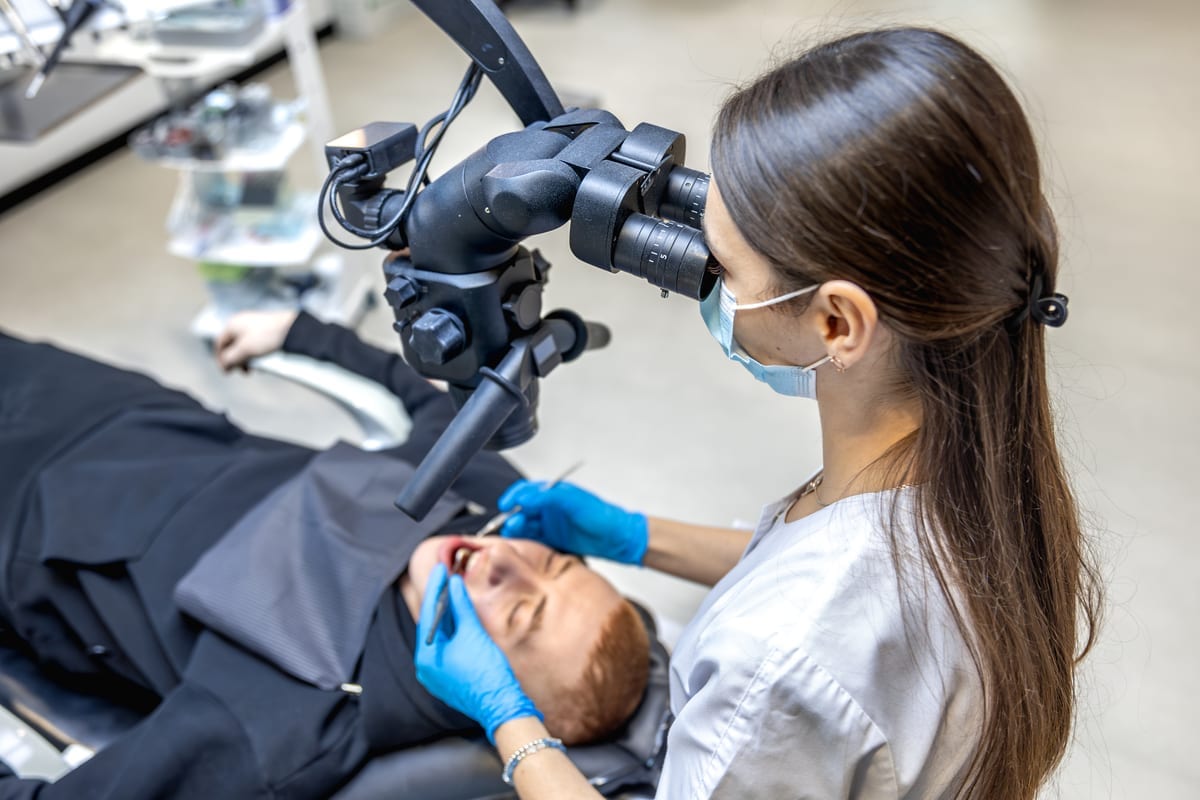
Not sure which type of stain you have? That’s exactly where a professional evaluation makes all the difference. Dr. Lawrence will examine your teeth carefully and identify the source of your discoloration. This step prevents wasted time and money on treatments that won’t work for your specific situation.
During your visit at Warwick Dental, you can expect:
- A thorough visual exam of your teeth and gum tissue
- A discussion of your dental and medical history — including any past medications
- Digital imaging if needed to assess internal tooth structure
- A personalized recommendation based on your stain type and cosmetic goals
This process is straightforward and completely comfortable. Dr. Lawrence takes the time to explain every option clearly. You leave with a real plan, not just a guess.
Managing Extrinsic Stains Before They Become Permanent
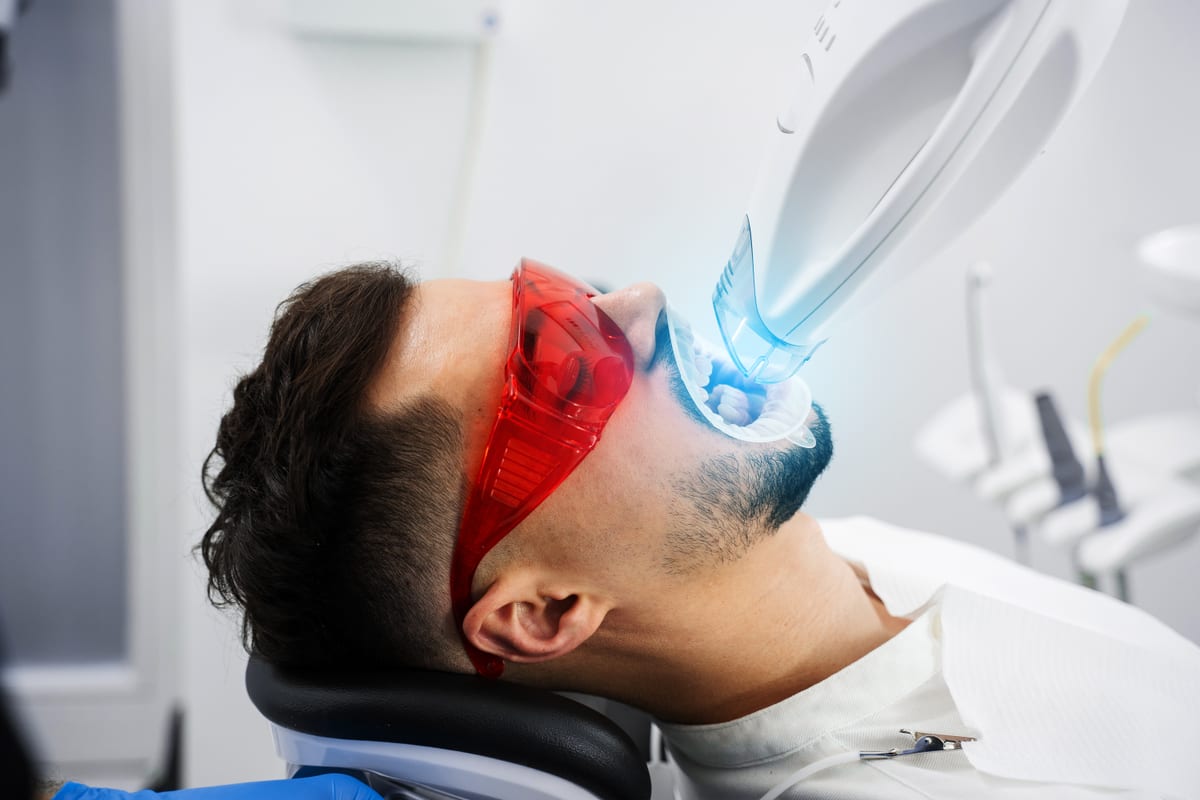
If your stains are extrinsic, the good news is they respond well to whitening — especially professional treatments. In-office whitening at Warwick Dental delivers results far stronger than anything available over the counter. You can see a visible difference in as little as one appointment.
To protect your results long-term, consider these habits:
- Rinse your mouth with water after drinking coffee, tea, or red wine
- Use a straw for dark-colored beverages when possible
- Brush at least twice daily with a whitening toothpaste
- Schedule regular professional cleanings to remove tartar and surface buildup
- Avoid tobacco products, which are among the leading causes of deep surface staining
Periodic touch-up treatments also help maintain your results over time. Dr. Lawrence can recommend a maintenance schedule that fits your lifestyle. Prevention is always easier — and less costly — than correction.
Conclusion: The Right Solution Starts with the Right Diagnosis
Understanding why your teeth won’t whiten and what actually works in Oklahoma City starts with knowing your stain type. Extrinsic stains respond to bleaching. Intrinsic stains require cosmetic or restorative solutions. There is no one-size-fits-all answer — but there is always an answer. Dr. David Lawrence and the team at Warwick Dental are here to help you find it. Book Now to schedule your appointment with our team.
Frequently Asked Questions
Why didn’t whitening strips work on my teeth?
Whitening strips are designed to remove surface-level extrinsic stains. If your discoloration comes from within the tooth — such as from antibiotic use, trauma, or aging — strips cannot reach deep enough to make a difference. A professional evaluation can identify the exact cause and recommend the right treatment.
Can professional whitening remove tetracycline stains?
Tetracycline stains are among the most difficult types to treat because they are deeply embedded in the dentin. Standard bleaching — even professional-grade — often produces limited results. Veneers or dental bonding are usually more effective solutions for this type of intrinsic discoloration.
How long do teeth whitening results last?
Results from professional in-office whitening typically last six months to two years, depending on your diet and oral hygiene habits. Avoiding staining foods and beverages, along with regular dental cleanings, will extend your results significantly. Periodic touch-up treatments can also help maintain brightness over time.
Are veneers a permanent solution for tooth discoloration?
Porcelain veneers are considered a long-term solution and typically last 10 to 15 years with proper care. They are irreversible, since a thin layer of enamel is removed during placement. Dr. Lawrence will discuss whether veneers are appropriate for your specific situation during your consultation.
Is teeth whitening safe for everyone?
Whitening is safe for most healthy adults, but it is not recommended for patients with untreated cavities, gum disease, or exposed roots. Pregnant women are also advised to wait. Dr. Lawrence will review your oral health before recommending any whitening treatment to ensure it is safe and appropriate for you.