Pay Online



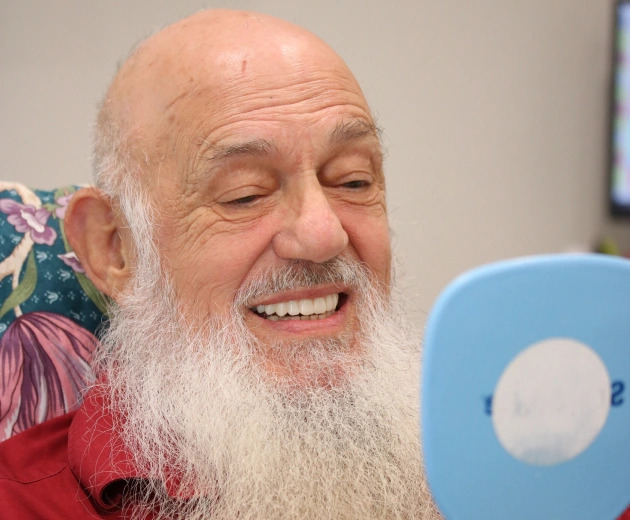
Feeling nervous about an upcoming dental appointment? You’re not alone. Lots of people feel uneasy about dental work, and that’s where sedation dentistry steps in. It’s a way to help you relax—so you can get through your procedure without all the stress. But if you’re thinking about sedation, you probably have questions. Will you remember anything afterward? Will you know what’s going on during the procedure? Let’s talk about how sedation dentistry works and what it means for your memory and awareness.
What is sedation dentistry?
It’s pretty simple: your sedation dentist uses medication to help you relax while they work on your teeth. You don’t necessarily fall asleep, but you do feel calm. Sedation comes in different levels, each with its own effects.
Minimal sedation (nitrous oxide, oral sedation) keeps you awake and aware, but you’ll feel a little drowsy. You’re still very much present.
Moderate sedation (IV sedation) goes a step further. You might not remember parts of the procedure, but you’ll still respond if someone asks you a question.
Deep sedation (general anesthesia) puts you right on the edge of sleep. You may not be aware of what’s happening.
Will Sedation Dentistry Affect Your Memory?
The whole point of sedation is to help you feel calm and comfortable, but it does affect what you remember. For most people, light or moderate sedation means you won’t recall much about the visit—maybe nothing at all. This is called “anterograde amnesia,” and honestly, it’s kind of a blessing if you’re anxious. You miss all the sounds, the sensations, and the stuff that usually makes you tense up.
If you need deeper sedation or general anesthesia, you’re even less likely to remember anything. That’s why dentists use these for more complicated or longer procedures.
Sedation Dentistry and Awareness: What You Should Know
You might be wondering if you’ll be aware of what’s happening while you’re sedated. The answer is, not really. Sedation dentistry doesn’t usually make you unconscious (unless you have general anesthesia), but it does make you comfortable enough that you’re not tuned in to every little detail. Your dentist will pick the right level of sedation for your procedure and your comfort, so you don’t have to worry.
The type of sedation you’ll get depends on what you’re having done and how anxious you feel. A simple cleaning or filling? Mild sedation usually does the trick. Something more involved, like implants or surgery? You’ll probably get moderate or deep sedation so you can relax completely.
Benefits of Sedation Dentistry
Here’s why people love sedation dentistry:
- It melts away anxiety. If you dread dental visits, sedation makes it much easier to get the care you need.
- You won’t feel pain. Sedation blocks pain signals, so the whole experience feels smooth.
- Long appointments fly by. If you’re in the chair for a while, sedation helps you zone out and stay comfortable.
- Dentists can work more efficiently. When you’re relaxed, they can focus and get things done faster.
If you’re worried about being overly aware or remembering too much, don’t be. Most people remember little to nothing about their sedated procedures, which takes a lot of the fear out of going to the dentist.
Reach out to Warwick Dental in Oklahoma City. We’ll go over your options and make sure you have a comfortable, stress-free visit. Book your appointment today and see how sedation dentistry can change your experience.
FAQs
- Will I remember anything after sedation?
It depends on the level of sedation. Most patients experience little to no memory of the procedure with moderate sedation, while deep sedation or general anesthesia may result in total memory loss of the procedure.
- Is sedation dentistry safe?
Yes, sedation dentistry is generally safe when administered by a trained professional. Your dentist will evaluate your health and recommend the best sedation option for your procedure.
- How long does it take for the sedative to wear off?
The duration of the sedative’s effects depends on the type of sedation used. For minimal sedation, the effects wear off quickly. For deep sedation, it may take a few hours for the sedative to leave your system entirely.
- Can I drive home after sedation?
For minimal sedation, you can drive yourself home. However, after moderate or deep sedation, you will need someone to drive you home, as you may still feel drowsy.
- Will sedation dentistry make me forget the pain?
Sedation dentistry won’t make you forget the pain, but it helps you manage anxiety and discomfort so that you won’t be as aware of any pain during the procedure.