Pay Online



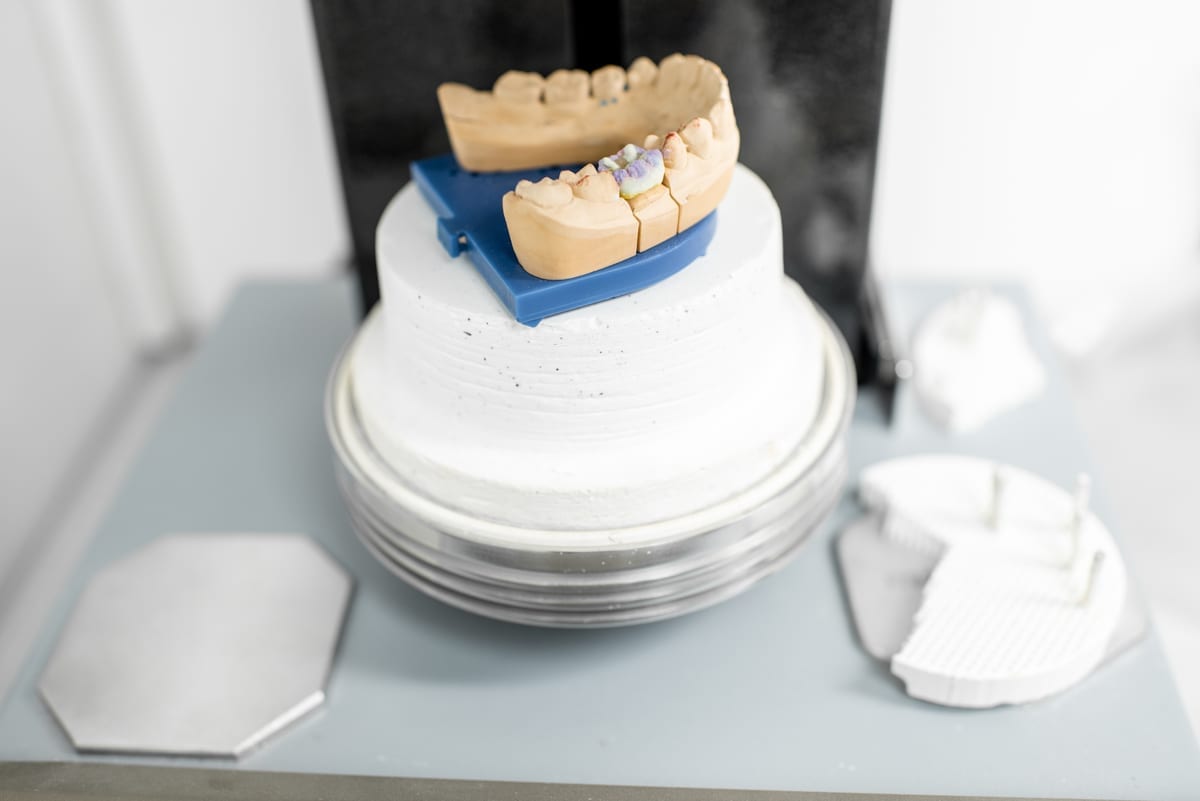
A dental crown is a significant investment in your smile. Knowing how to care for it properly can mean the difference between a crown that lasts decades and one that fails too soon. Your new crown will last longer with these daily care secrets — and if you live in Warr Acres, Dr. David Lawrence at Warwick Dental wants you to get the most out of every restoration. This guide covers everything you need to protect your crown starting today.
Why Daily Crown Care Matters in Warr Acres
Dental crowns are built to be durable. Modern porcelain and zirconia materials are incredibly strong. However, they are not immune to damage or decay around their edges. Without proper daily habits, even the best crown can fail prematurely.
The margin — the line where your crown meets your natural tooth — is the most vulnerable spot. Bacteria and plaque love to collect there. If that area is not cleaned carefully, decay can develop underneath the crown itself.
Patients in Warr Acres often ask how long their crown should last. With good care, a well-placed crown can last 15 to 25 years or more. Your daily routine plays the biggest role in reaching that goal.
How to Clean Around Your Crown the Right Way
Brushing twice a day remains essential — but technique matters more than frequency. Use a soft-bristled toothbrush and angle it gently toward the gumline. This targets the crown margin directly where buildup tends to form.
Flossing around a crown requires a little extra care. Standard floss works well, but you must slide it gently rather than snapping it down. Snapping floss can dislodge the crown or irritate the gum tissue around it.
Consider these effective tools for cleaning around your crown:
- Interdental brushes — great for cleaning along the sides of a crown
- Water flossers — flush bacteria out from around the margin gently
- Fluoride toothpaste — strengthens the natural tooth structure beneath the crown
- Antibacterial mouthwash — reduces bacteria that lead to gum irritation
Using an antibacterial rinse once a day adds an extra layer of protection. It helps manage the bacterial load in areas that are harder to reach with a brush. Ask Dr. Lawrence which rinse he recommends for your specific crown material.
Foods and Habits That Shorten Crown Lifespan
What you eat directly affects how long your crown lasts. Some foods put excessive stress on the crown material. Others make it easier for bacteria to accumulate around the margins.
Avoid these foods and habits to protect your crown:
- Hard candies and ice — biting down can crack porcelain or chip zirconia
- Sticky foods like caramel or taffy — can pull the crown loose over time
- Chewing on pens or fingernails — creates uneven pressure on the crown
- Sugary drinks consumed frequently — feed the bacteria that attack crown margins
- Using your teeth as tools — opening packages or bottles stresses the restoration
Many patients do not realize that grinding teeth during sleep is one of the biggest threats to crowns. Bruxism — the clinical term for teeth grinding — generates enormous pressure. That force is concentrated directly on your restorations night after night.
If you grind your teeth, this habit can crack a crown faster than any food choice. The section below explains exactly what to do about it.
The Role of Night Guards for Protecting Your Crown
Bruxism affects a large portion of adults, and many do not even know they grind their teeth. Common signs include waking up with jaw soreness, headaches, or worn-down tooth surfaces. Dr. David Lawrence can identify these signs during a routine exam.
A custom night guard is one of the best investments a crown patient can make. It creates a protective barrier between your upper and lower teeth while you sleep. The guard absorbs grinding pressure before it reaches your crown.
Over-the-counter night guards exist, but they rarely fit well enough to protect effectively. A custom guard made from impressions of your actual teeth offers superior comfort and protection. It distributes force evenly across all teeth instead of concentrating it in one spot.
Patients in Warr Acres who grind their teeth should discuss this with Dr. Lawrence before or immediately after receiving a crown. Addressing bruxism proactively can add years to the life of your restoration. Prevention is always easier than replacing a damaged crown.
Keeping Gums Healthy Protects Your Crown Long-Term
Your crown sits at the gumline, which means gum health is directly tied to crown success. Inflamed or receding gums can expose the crown margin and the tooth structure below it. Once that happens, decay risk increases significantly.
Gum disease is a common and preventable problem. Consistent brushing, flossing, and professional cleanings keep gum tissue firm and healthy around your restoration. If you notice bleeding or puffiness around your crown, do not wait to address it.
The team at Warwick Dental offers Periodontal Disease Treatment Gum Disease services for patients who need more than a standard cleaning. Treating gum disease early protects not just your crown but your surrounding teeth as well. Healthy gums form the stable foundation every restoration depends on.
Patients who also have cosmetic goals alongside their restorative needs will find that Cosmetic Dentistry options at Warwick Dental can complement their crown treatment beautifully. A healthy, well-maintained smile serves both function and appearance.
Schedule Regular Checkups to Catch Problems Early
Even the most diligent home care routine cannot replace professional monitoring. Dr. Lawrence recommends checkups every six months for crown patients. These visits allow him to examine the crown margins, check the bite, and catch early warning signs.
During your visit, the hygiene team will clean areas your toothbrush cannot fully reach. They will also check for wear patterns that signal grinding or clenching. Catching a loose crown early prevents more extensive repair work later.
X-rays taken at regular intervals can detect decay developing beneath the crown before it becomes visible. Early intervention saves time, cost, and the crown itself in most cases. Consistent professional care is one of the most practical daily care secrets available to Warr Acres patients.
Protecting your crown is a long-term commitment that pays off every single day. The habits you build now determine how well your restoration performs for years to come. Book Now to schedule your appointment with our team.
Frequently Asked Questions
How long does a dental crown typically last with good care?
A well-placed dental crown can last anywhere from 15 to 25 years or longer with consistent daily care. Regular brushing, flossing, avoiding damaging habits, and attending routine checkups all contribute to a longer crown lifespan. Your specific crown material and bite habits also influence longevity.
Can decay develop under a dental crown?
Yes, decay can develop at the margin where the crown meets the natural tooth. This area is vulnerable to plaque and bacteria buildup if not cleaned carefully. Brushing at the gumline, flossing gently, and using fluoride products all help prevent decay beneath your crown.
Do I really need a night guard if I have a crown?
If you grind or clench your teeth, a custom night guard is strongly recommended. Grinding generates significant pressure that can crack or chip even durable crown materials over time. A professionally fitted night guard absorbs that force and extends the life of your restoration significantly.
What should I do if my crown feels loose or uncomfortable?
Contact Warwick Dental as soon as possible if your crown feels loose, shifts when you bite, or causes discomfort. A loose crown can expose the underlying tooth to bacteria and decay. Early attention prevents more complex treatment and protects your original restoration.
How soon after getting a crown should I return for a checkup?
Most patients return six months after crown placement for a routine checkup and cleaning. Dr. David Lawrence may recommend an earlier follow-up visit depending on your individual oral health needs. Consistent monitoring helps ensure the crown is functioning correctly and the gum tissue around it stays healthy.