Pay Online


Dental Implants: A Complete Guide to Tooth Replacement
Losing a tooth can affect more than just your smile. It can impact how you eat, speak, and feel about yourself. Dental Implants are one of the most effective and long-lasting solutions available today. They look, feel, and function like natural teeth. At Warwick Dental, our dental team is committed to helping patients understand every step of this process. This guide will walk you through what implants are, how they work, and what to expect along the way.
What Are Dental Implants?
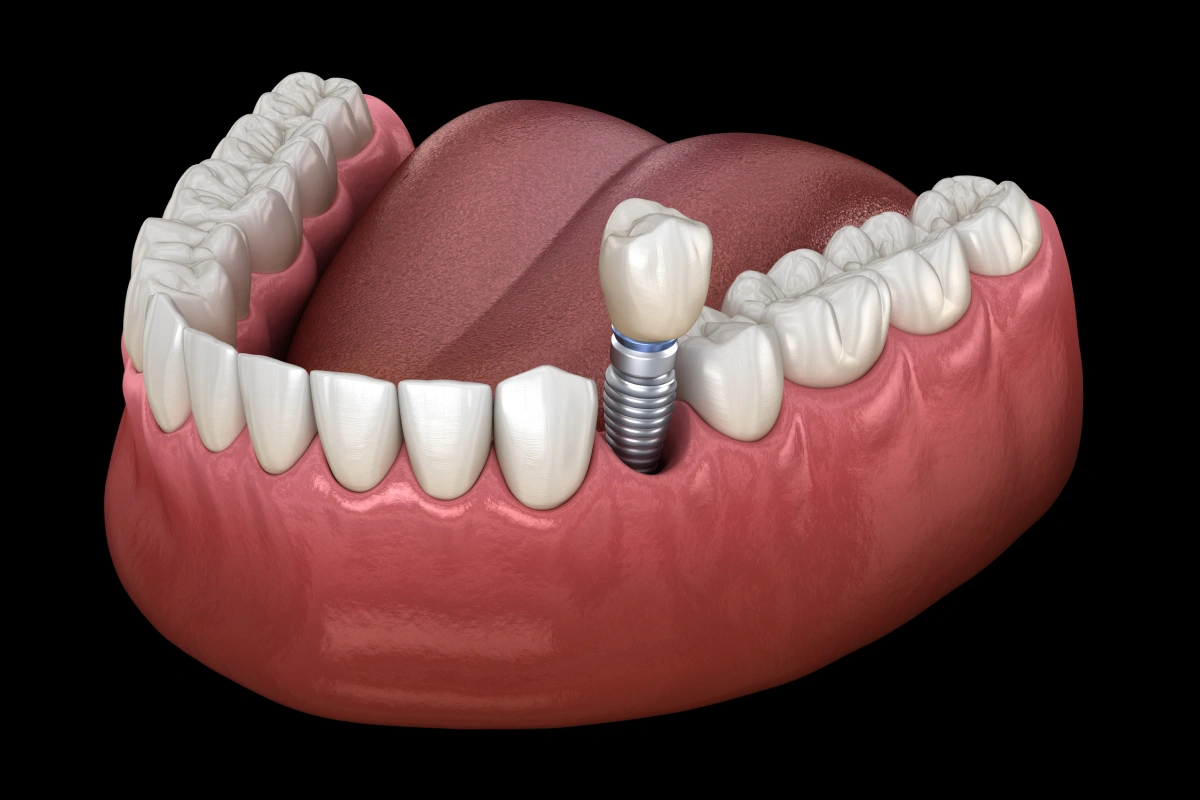
A dental implant is a small titanium post. It is surgically placed into the jawbone where a tooth is missing. Over time, the bone fuses around this post through a process called osseointegration. This creates a strong and stable foundation. Once healed, a custom-made crown is attached to the top. The result is a replacement tooth that closely mimics your natural one. Unlike removable dentures, implants are fixed in place. They do not shift or slip during daily activities.
How Do Dental Implants Work?
The process of getting dental implants typically involves several stages. First, your dental team evaluates your oral health. This includes X-rays and a thorough examination of your jawbone density. If you are a good candidate, the implant is placed during a minor surgical procedure. A healing period of several weeks follows. During this time, the bone bonds with the titanium post. Once healed, an abutment is attached to connect the crown. The final crown is then custom-designed to match your surrounding teeth.
Who Is a Good Candidate for Dental Implants?
Not everyone is immediately eligible for implants. Good candidates generally have healthy gums and sufficient jawbone density. Non-smokers tend to have better outcomes, as smoking slows healing. Certain medical conditions can also affect eligibility. Your dental team will review your full health history before making recommendations. If your bone density is low, a bone graft may be needed first. This can extend the treatment timeline. However, many patients who were once told they were not eligible can still receive implants after preparation.
Benefits of Choosing Dental Implants
Dental implants offer a range of meaningful advantages. They help preserve the jawbone by stimulating it naturally. This prevents the bone loss that often follows tooth extraction. Implants also support the surrounding teeth by filling empty gaps. Without replacement, neighboring teeth can shift out of position. Patients often report improved confidence and comfort after receiving implants. Eating becomes easier, and speech clarity often improves. Because implants integrate with your bone, they provide stability that other options simply cannot match. Explore our full range of services to see how we can support your overall oral health.
Caring for Your Dental Implants
One major benefit of implants is that they require no special maintenance. You care for them just like your natural teeth. Brushing twice a day is essential. Flossing daily helps prevent gum disease around the implant site. Regular dental check-ups are also important. Your dental team will monitor the health of the implant and surrounding tissues. Avoiding habits like chewing ice or grinding your teeth will extend the life of your restoration. With proper care, implants can last many decades. Some patients enjoy them for a lifetime.
How Dental Implants Compare to Other Options
There are several ways to replace missing teeth. Bridges and dentures are common alternatives. However, bridges require grinding down adjacent healthy teeth to anchor in place. Dentures can feel uncomfortable and may need regular adjustments over time. Dental Implants stand apart because they do not rely on neighboring teeth for support. They also stimulate the jawbone directly, which prevents shrinkage. While the treatment takes longer than some alternatives, the long-term results are often superior. Patients frequently describe implants as the closest thing to having their natural teeth back. Learn about our dental team and how we approach patient-centered care.
What to Expect During Recovery
Recovery from implant surgery is generally manageable. Mild swelling and discomfort are normal in the first few days. Over-the-counter pain relief and cold compresses can help. Most patients return to their normal routine within a few days. Your dental team will provide specific aftercare instructions. It is important to avoid hard or crunchy foods during the initial healing phase. Soft foods are recommended until the site heals. Follow-up appointments allow your team to monitor progress. Any concerns should always be discussed promptly with your dental team.
Understanding your options is the first step toward making a confident decision about your oral health. Dental Implants are a proven, science-backed solution that can significantly improve your quality of life. Our dental team at Warwick Dental is here to guide you through every stage of the process with care and expertise. Learn More about how we can help you.
Frequently Asked Questions
How long do dental implants last?
With proper care and regular dental visits, dental implants can last many decades. Many patients keep their implants for a lifetime. The crown attached to the implant may need replacement after 10 to 15 years due to normal wear.
Is the dental implant procedure painful?
The procedure is performed under local anesthesia, so you should feel little to no pain during surgery. Some discomfort and swelling are expected during the healing phase. Most patients find recovery much more comfortable than they anticipated.
How many appointments does the implant process require?
The process typically involves multiple appointments over several months. This includes evaluation, implant placement, healing monitoring, and crown fitting. The exact number of visits depends on your individual treatment plan and healing progress.
Can dental implants replace multiple missing teeth?
Yes. Dental implants can be used to replace a single tooth, several teeth, or even a full arch. Options like implant-supported bridges or full-arch restorations use a strategic number of implants to support multiple teeth at once.
What happens if I do not replace a missing tooth?
Leaving a gap in your smile can lead to several problems. Nearby teeth may shift into the empty space over time. The jawbone beneath the gap can also shrink without stimulation. This can affect your facial structure and overall bite alignment.