Pay Online


If you’ve been wondering, can Invisalign fix your bite, or do you need braces in Oklahoma City, you’re not alone. Many patients come to Warwick Dental asking this exact question. The answer depends on the type and severity of your bite issue. Dr. David Lawrence helps patients understand their options so they can make confident, informed decisions.
What Invisalign Can Fix: Common Bite and Alignment Issues
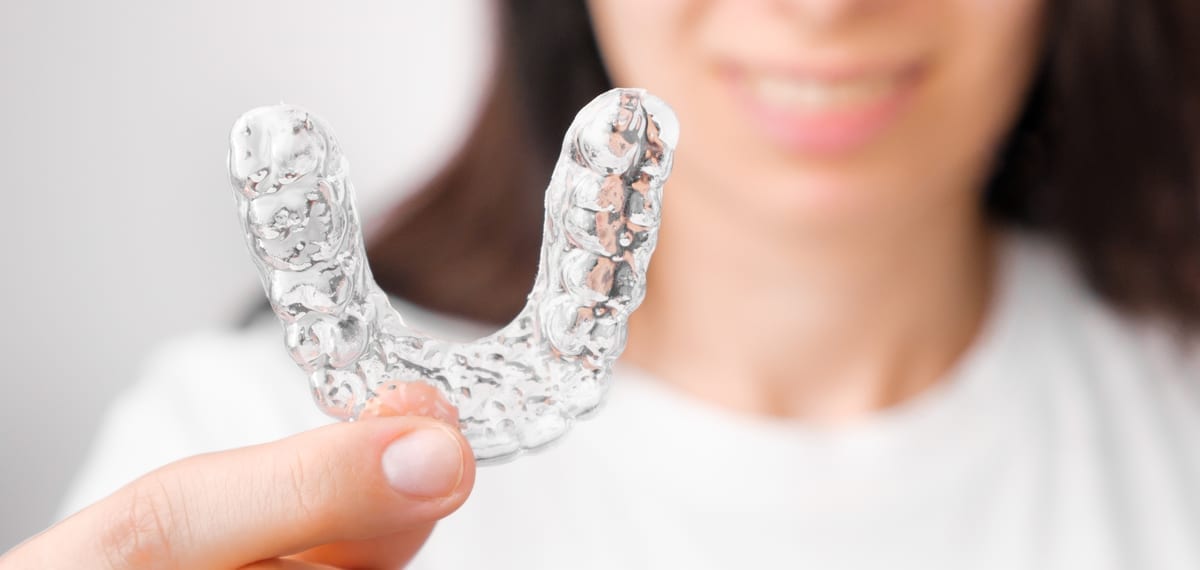
Invisalign uses a series of clear, removable aligners to gradually shift teeth into the correct position. It works well for mild to moderate orthodontic problems. Most patients are surprised by how many conditions Invisalign can address effectively.
Here are the most common issues Invisalign treats successfully:
- Crowding: Teeth that overlap or bunch together due to limited space
- Spacing: Gaps between teeth caused by missing teeth or jaw size differences
- Mild overbite: Upper front teeth that extend too far over lower teeth
- Mild underbite: Lower teeth that sit in front of upper teeth when biting
- Crossbite: Some upper and lower teeth that don’t align correctly side to side
- Open bite: Upper and lower front teeth that don’t meet when the mouth is closed
For these concerns, Invisalign can deliver results comparable to traditional braces. The aligners are nearly invisible and can be removed for eating and cleaning. That flexibility makes them a popular choice for adults and older teens in Oklahoma City.
When Invisalign May Not Be Enough: Cases That Need Braces
Invisalign is a powerful tool, but it does have limitations. Severe bite problems often require more controlled force than aligners can provide. Traditional braces give orthodontists greater precision for complex tooth movements.
Braces may be the better option when you have:
- Severe overcrowding that requires significant tooth rotation or movement
- Large overbites or underbites with substantial jaw misalignment
- Teeth that need significant vertical movement, which aligners struggle to achieve
- Intrusion or extrusion needs, meaning teeth that must move up or down in the gum line
- Complex bite corrections that may also require jaw surgery or other interventions
In these situations, braces provide brackets and wires that apply continuous, targeted pressure. They can move teeth in three dimensions more reliably. Attempting to treat a severe case with aligners can lead to poor results or extended treatment time.
It’s also worth noting that patient compliance matters with Invisalign. The aligners must be worn 20 to 22 hours per day to work properly. If a patient struggles with consistency, braces may produce more predictable outcomes.
How Oklahoma City Patients Can Determine Their Candidacy
The only reliable way to know which treatment fits your needs is through a professional evaluation. Dr. David Lawrence performs a thorough examination at Warwick Dental to assess your bite, jaw alignment, and overall oral health. Digital X-rays and impressions help paint a complete picture of what’s happening below the surface.
During your consultation, Dr. Lawrence will review several key factors:
- The degree of crowding, spacing, or bite misalignment present
- Whether gum or bone health issues could affect treatment outcomes
- Your lifestyle, schedule, and commitment to wearing aligners consistently
- The estimated length of treatment for each option
Good oral health is also a prerequisite for orthodontic treatment. If Periodontal Disease Treatment Gum Disease is needed, that must be addressed before beginning Invisalign or braces. Moving teeth through inflamed or damaged gum tissue can worsen existing problems. Dr. Lawrence ensures your mouth is healthy before recommending any alignment treatment.
The Benefits of Invisalign When You’re a Good Candidate
For patients who qualify, Invisalign offers several meaningful advantages over traditional braces. The clear aligners are discreet, making them ideal for professionals and teens who feel self-conscious about metal brackets. They also allow you to eat all your favorite foods without restrictions.
Oral hygiene is much simpler with Invisalign. You remove the aligners to brush and floss normally. With braces, cleaning around brackets and wires requires more time and special tools.
Invisalign treatment at Warwick Dental is also part of a broader focus on helping patients achieve beautiful, healthy smiles. Many patients combine alignment treatment with other Cosmetic Dentistry services for a complete smile transformation. Teeth whitening, for example, can follow Invisalign to enhance the final result. Dr. Lawrence helps each patient build a personalized treatment plan that fits their smile goals.
Making the Right Choice for Your Smile in Oklahoma City
Choosing between Invisalign and braces is a personal decision backed by clinical data. There’s no universal right answer — it depends entirely on your individual bite, jaw structure, and goals. What matters most is getting an expert evaluation from a qualified provider who takes time to listen.
At Warwick Dental, Dr. David Lawrence and the team are committed to patient education above all else. We explain your diagnosis clearly and walk you through every option before recommending a path forward. Oklahoma City patients deserve to feel confident and informed every step of the way.
Whether Invisalign or braces turns out to be the right fit, you’ll leave our office with a clear understanding of your treatment plan. We believe great smiles start with great conversations. Book Now to schedule your appointment with our team.
Frequently Asked Questions
Can Invisalign fix a severe overbite?
Invisalign can correct mild to moderate overbites effectively. However, severe overbites — especially those involving significant jaw misalignment — often require traditional braces or a combination of orthodontic and surgical treatment. Dr. David Lawrence will evaluate your bite and recommend the most effective approach during your consultation at Warwick Dental.
How long does Invisalign treatment take in Oklahoma City?
Treatment time varies based on the complexity of your case. Mild corrections may take as little as six months, while moderate cases often require 12 to 18 months. Your provider will give you a more accurate timeline after reviewing your X-rays and bite assessment.
Is Invisalign painful compared to traditional braces?
Most patients experience some mild pressure or discomfort when switching to a new set of aligners. This is normal and typically fades within a day or two. Many patients find Invisalign more comfortable than braces because there are no sharp brackets or wires to irritate the cheeks and gums.
Do I need to see a specialist for Invisalign, or can my general dentist provide it?
Many trained general dentists, including Dr. David Lawrence at Warwick Dental, are certified Invisalign providers. For straightforward to moderate cases, a general dentist with Invisalign training can deliver excellent results. Very complex cases may be referred to an orthodontist for specialized care.
What happens if I don’t treat my bite problem?
Untreated bite issues can lead to uneven tooth wear, jaw pain, headaches, and increased risk of tooth damage. Over time, misalignment can also make oral hygiene more difficult, raising the risk of cavities and gum disease. Addressing bite problems early is the most effective way to protect your long-term dental health.